So I got this very filthy tape as an arrival - completely covered in dust, worse yet the box has a hole which means a lot of that dust ended up inside (spoiler: it was more than just dust). I decided to omit a photo of the tape box because it makes me disgusted to look at.
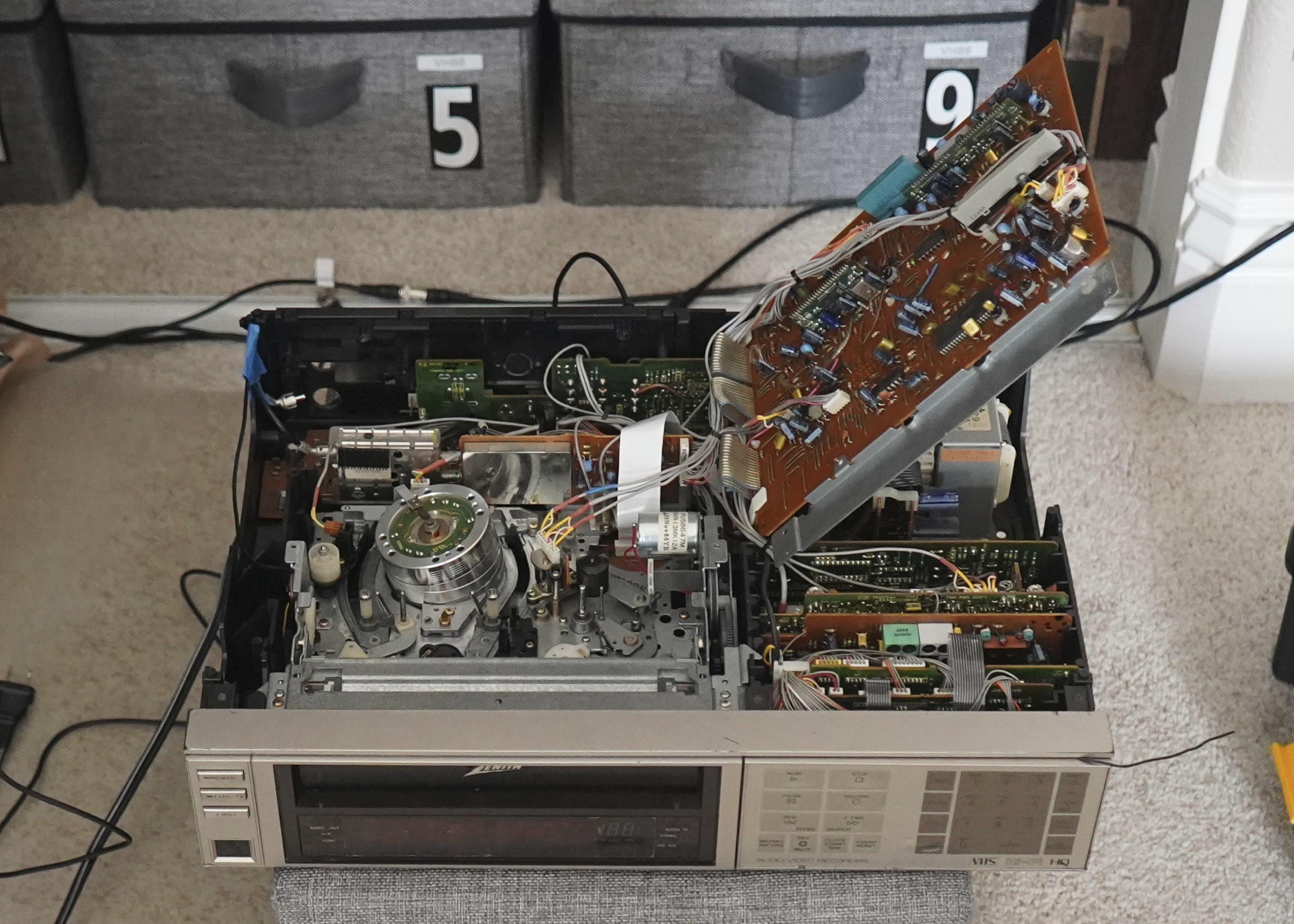
I use my Zenith VCR as the sacrificial VCR - for playing back suspect tapes. It’s already in quite a poor condition and would take a hefty amount of work to restore it to good condition (and spare parts which I haven’t tracked down yet), so I use it to check new arrival tapes (also as a rewinder).
The tape itself looked quite well - minor to no crumpling, no visible discoloration of the surface, no visible residue. No mold anywhere on the tape itself.
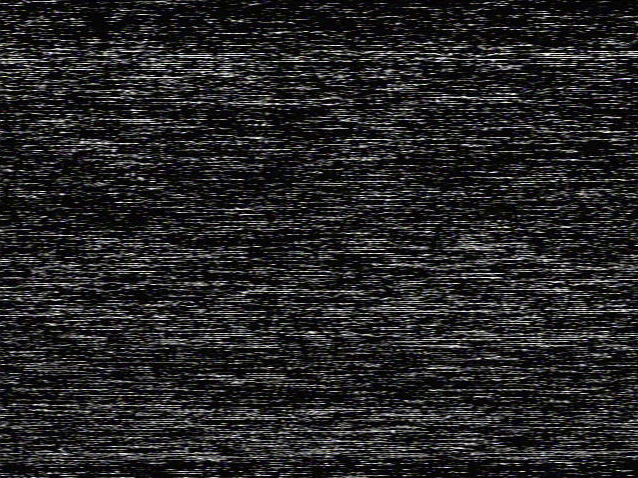
However when I tried to play it, I was greeted with the image visible above. Maybe the tape did not have any data on it? But no - I put in a known good tape after this and it showed the exact same image.
The video heads got completely clogged! So there was some sort of an invisible residue left on the tape that gunked them up completely. I pulled the VCR out of the rack and opened it up, did a full video drum cleaning as well as the rest of the tape transport.
Well, it was good news after this - the known good tape returned to good playback quality. This confirmed that the cause was specifically contamination of the video heads on the video drum - something was deposited on the tape that I could not detect by smell or visually.
All tape arrivals always pass sniff check - this is hard to describe in text, but I’ve gotten used to a certain spectrum of smells that I consider acceptable. Sticky shed syndrome, invisible tape mold and other factors show up in the sniff test.
In fact, this tape smelled like it was stored particularly well - oddly enough. This means that in this case the sniff check failed, turns out there are some types of residue that cannot be picked up visually or by smell (I was worried it may be the case - this shows that it can easily be so).

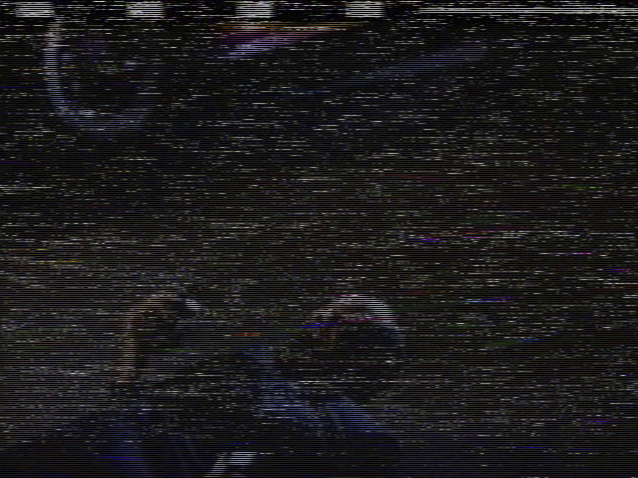
But then I tried playing the contaminated tape again. This time the heads clogged up again, however they started clearing up pretty quickly right after. I did one more test after this and the contamination is largely gone - very little of it still remains and it no longer clogs the video heads. So in other words:
- First playthrough: total contamination to point of no image whatsoever
- Second playthrough: heavily snowed image, one head fully clogged, other partly clogged (see image below - it shows an interlaced output and while half of the lines show something like an image, the other half contain mostly noise).
- Third playthrough: bands of distortion and noise, some transient head clogging, but the heads clean themselves in a couple seconds. The rest of the tape plays clean
The fact that clogging would get reduced with each playthrough indicates it was soft deposit and not for example the sticky shed of the tape itself.
I think the tape has experienced a short time of being in mold-growth conditions (high humidity) during which the mold grew on human residue (oils etc) and all around inside the box. The patterns of residue match to Cladosporium (an extremely common household mold, spores of which are present everywhere) - which does not decisively prove that’s what it is, but it’s the most likely option.
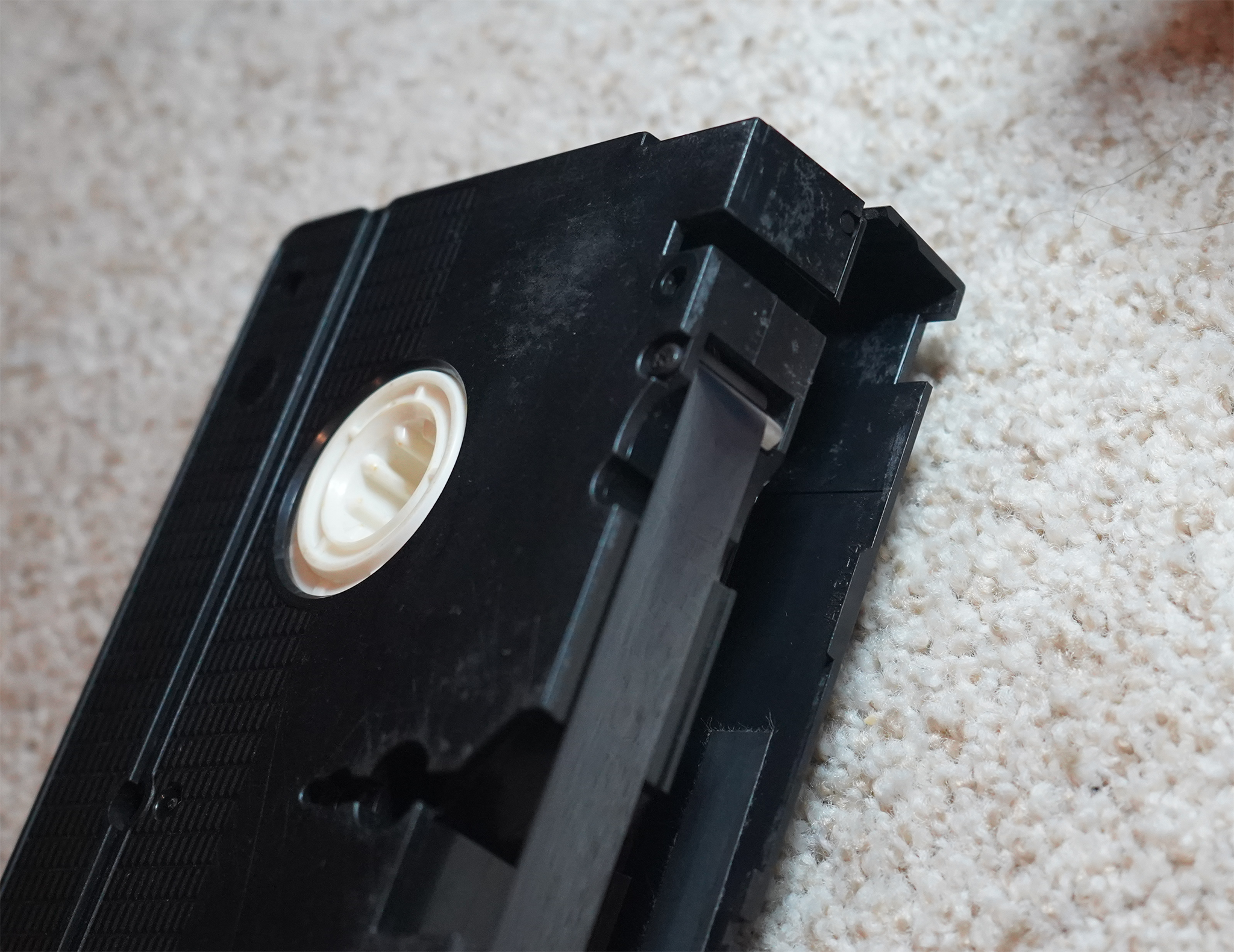
The tape ended up in humid conditions, mold grew all around the box and on the tape shell, but then the tape was moved to better storage and all mold died out. I believe no mold ever ended up settling on the tape itself - only residue and outgassing vapors from nearby mold colonies depositing on the surface.
The residue and exposure was limited just to the externally accessible parts of the tape - the shell, the exposed part of the tape (which conveniently only had black signal on it, a safety margin built into VHS tapes by convention). The inner packing of the tape is so tight that no residue penetrated into it. And because the mold conditions seem to have been short-term, no mold started growing on the sides of the tape pack.
There is visible residue on the shell, I think in the few places where moisture ended up trapped for a prolonged time. I wonder what kind of improvements to my cleaning process I could add to better handle cases like this…
Other than the initial segment of the tape, the rest of it seems to be quite clean. Still, I don’t want to risk the video heads in my good VCR’s, so when it’ll be time to play this specific tape during the video I’m going to use Zenith again.
A lot of people are slightly confused on what’s the actual issue with mold on tapes. The issue isn’t usually a hazard to humans, nor it “infects” the VCR. The real danger is that the mold often has very abrasive particles which can significantly damage the video heads, as well as possible soft deposits in the general vicinity - as demonstrated above.
So if a moldy tape ends up inside the VCR, it’s not a fatal issue - just requires a thorough cleaning of the entire tape transport, video heads, A/C head, etc. Don’t want abrasive particles to stay there and scratch the heads & tapes played after.
In my particular case, there don’t seem to have been any abrasive particles deposited on the tape as such - just the invisible, scent-free residue. Soft and finite, most of it got taken up by the video heads and then cleaned off by me - still, the risk is why I have a sacrificial VCR in the first place.
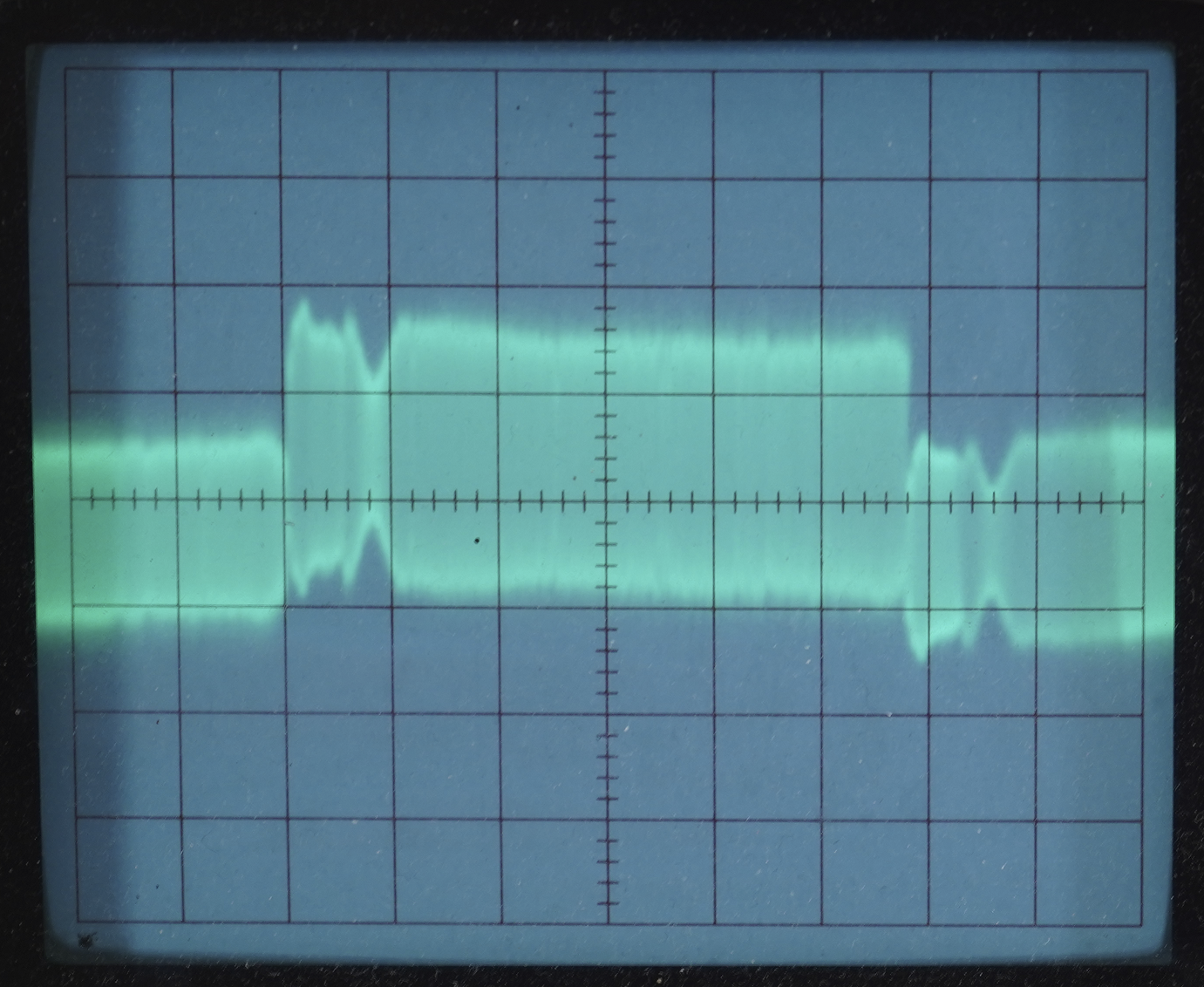
Also, just because I had the opportunity and because there was already a known alignment issue on this VCR, I have performed partial re-alignment. Specifically making the FM signal look much healthier than it was before - the VCR is still showing significant X-value error.
It is far from perfect, but it’s much more uniform - previously it was showing a clear hump. It also responds to tracking better (mostly uniform - albeit the middle drops faster than the outside ends). Further alignment is limited by the fact that I could not find all the required test points inside this VCR.