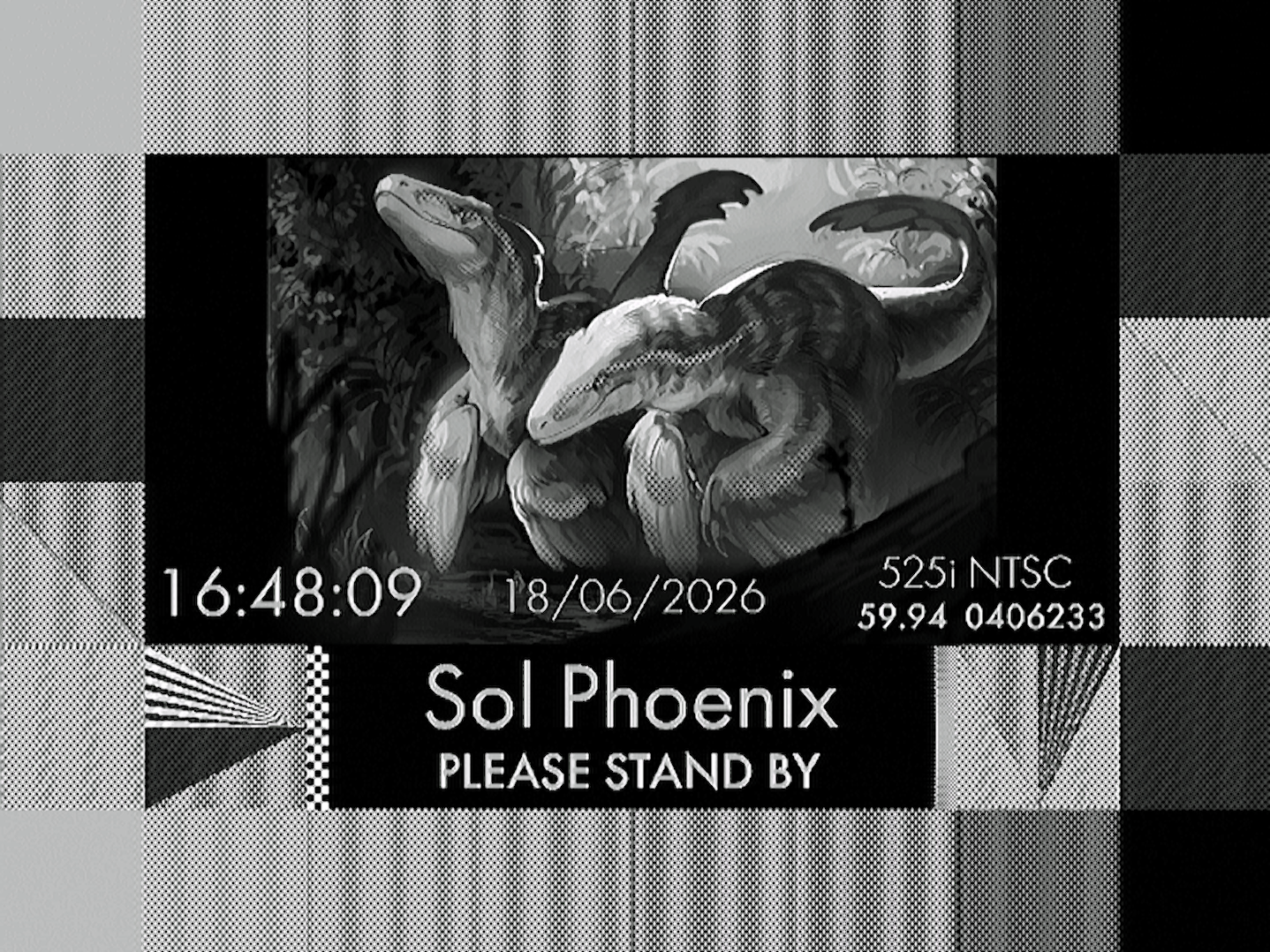
Here is an analog gremlin that appeared in the video system a couple weeks ago and has been annoying me a little. The specific issue here is very poor luma-chroma separation - crosshatching patterns and apparent ringing:
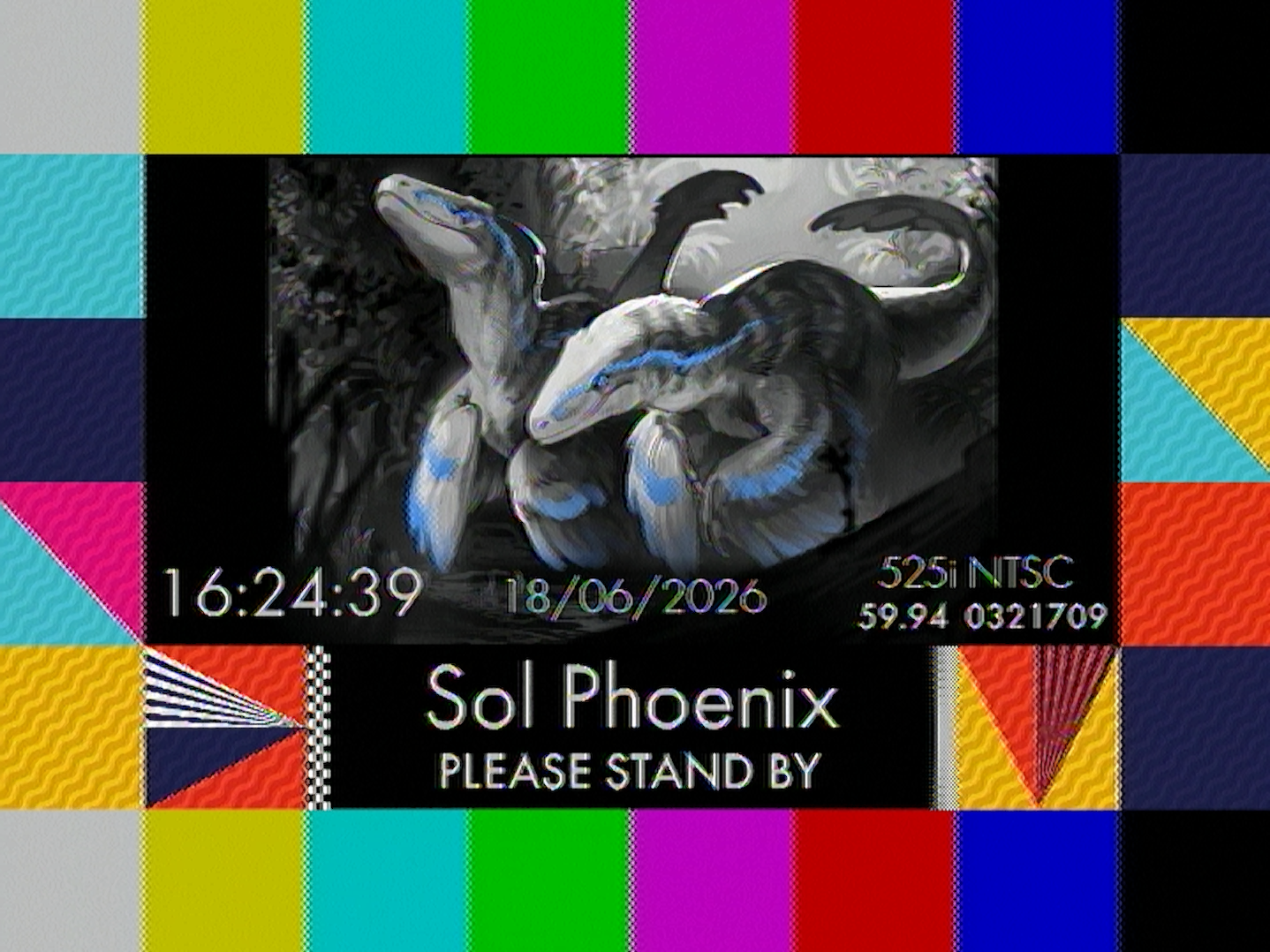
First I checked if it was any form of interference - however the patterns remained regardless of the current signal chain or which equipment was turned on. This required further in-depth debugging…
This was pretty much the sequence of it:
- Attempted to bypass the analog rack by looping analog output of one capture card (BlackMagic Intensity Pro) to input of the other (ViewCast Osprey 450e). However the issue remained - so the analog rack plus long umbilical cable to it was excluded completely.
- Disconnected auxiliary input to ViewCast Osprey and all audio connections - completely detached the umbilical cable. Still no effect.
- Got my SMPTE test pattern generator (I love it so much), plugged it directly into the computer. All analog processing is bypassed and input is connected to reference source. Still no effect - the issue is inside the capture card then.
- From there I continued to fiddle with various settings of the capture card… mainly switching between the television signals and the B/W composite mode. Noticed strange behavior - B/W composite mode will generally NOT engage.
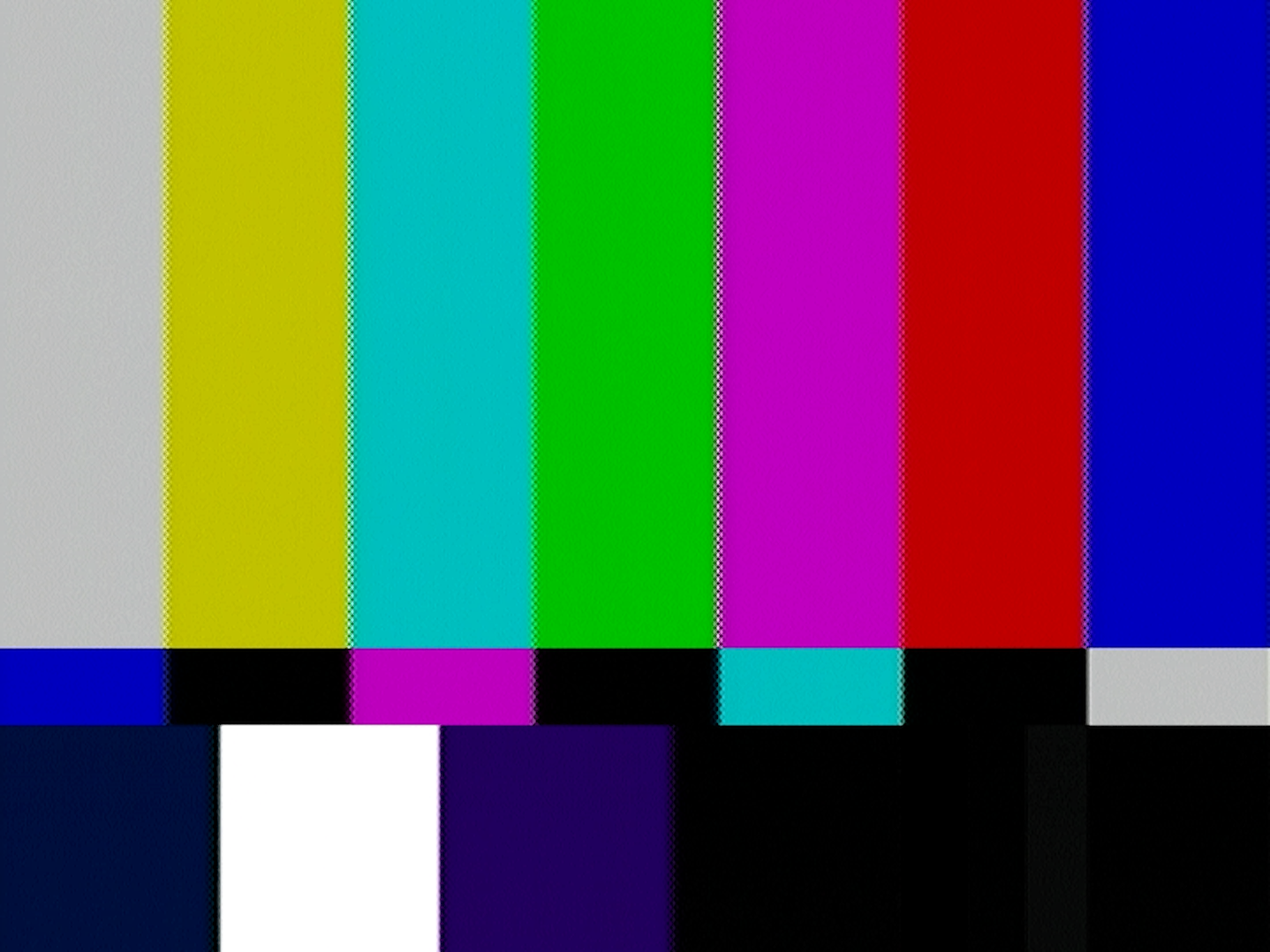
B/W composite mode not engaging is an anomaly from a couple showings ago - we were watching Thirty Nine Steps in black and white (and on EP-mode VHS using the JVC BR-S800U VCR that I rebuilt). But the actual B/W mode refused to engage.
B/W mode is supposed to turn off chroma filtering and pass luma unchanged - it can increase quality on a true black and white television signal.
After turning off automatic television signal detection (it got turned on by accident at some point during testing) the B/W mode still refused to engage. But… after switching to PAL-M and then back it suddenly started working again. I suddenly realized what this reminded me of - there is a “sticky AGC” behavior with ViewCast Osprey that reveals internal controller part and the actual hardware are not always properly in sync to each other…
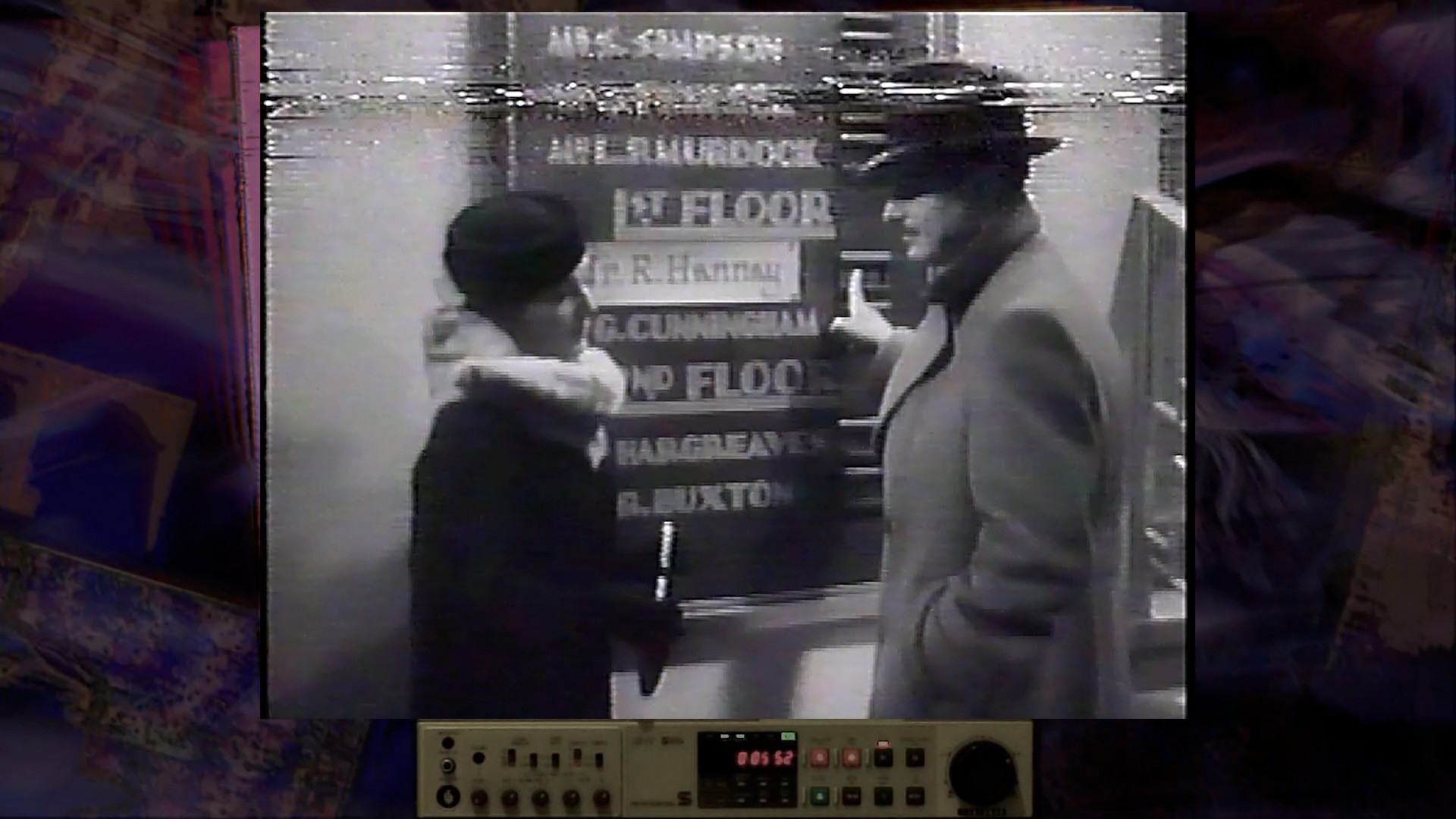
Together with the B/W mode the signal quality suddenly came back too. The image suddenly became clear and with none of the artifacts from before. There is still an artifact with the luma burst field on the right side of “STAND BY” text, but that is a known problem with output (OBS performs a rescale operation where it should crop instead - 1:1 pixel mapping is ruined).
So, the capture card seems to have two parts to it - the hardware that does the actual decoding and has its own states, and the controller which sets the states for this hardware. I think that this controller is not entirely comprehensive of the hardware state, so at some points there is a bit of a hysteresis or a corruption.
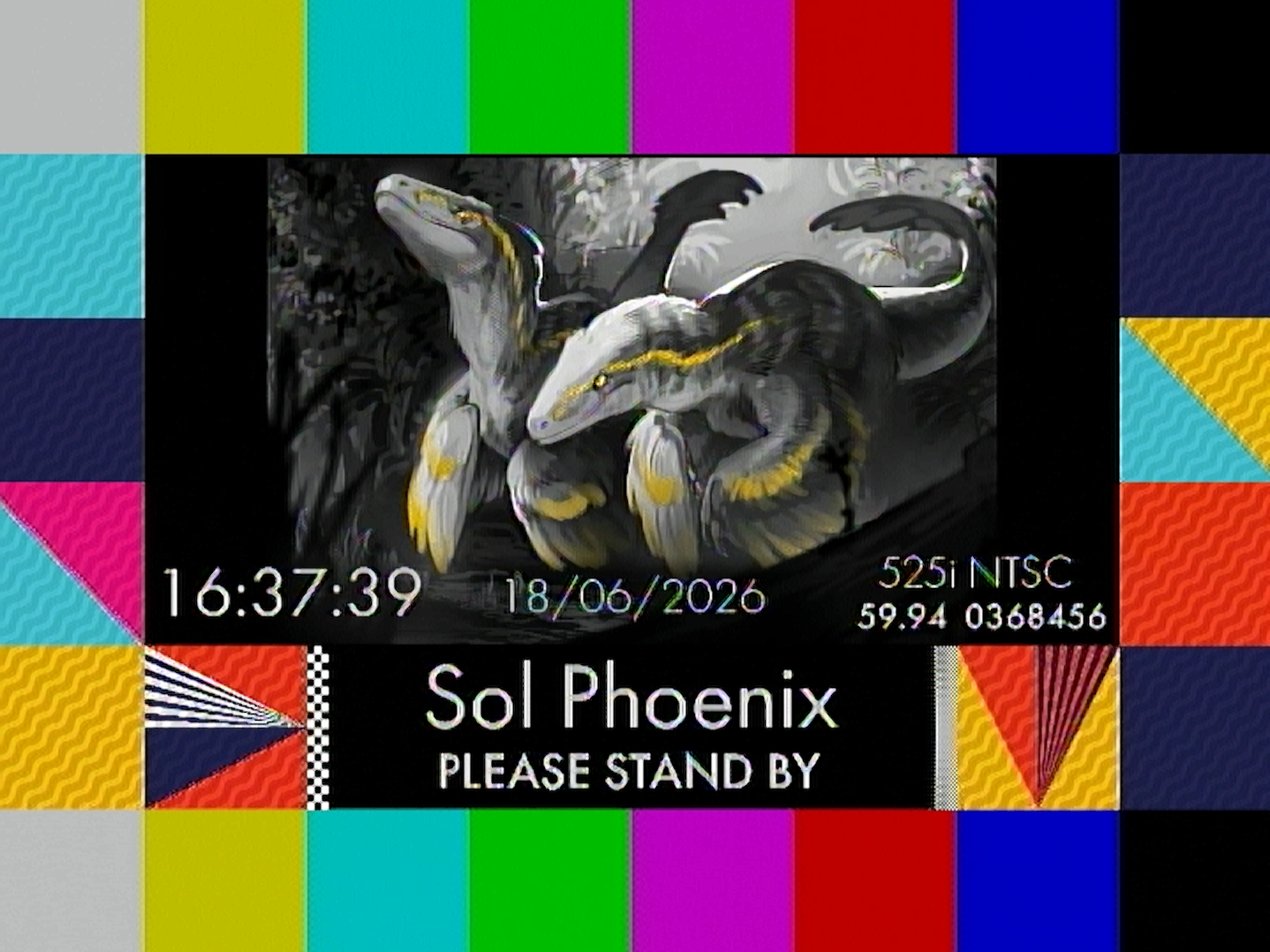
There are two kinds of hardware vs controller mismatch hysteresis on this card that I observed so far:
- Video gain is automatically detected during the initialization of the TV signal and then never touched again. The video gain will be set to somewhat random level - if two devices don’t match quite in analog video voltages, one will be distinctly brighter than the other… If switch happens with no lock loss. If switch causes loss of signal lock, it will reinitialize gain randomly.
- Configuration of the hardware luma/chroma separation circuit gets corrupted between different TV signal standards and in particular when B/W mode is enabled in automatic standard selection mode.
So as a result, just switching the automatic television standard detection helps with these issues completely. B/W luminance only mode also works. As a bonus, here is the test pattern when passed through the B/W mode: